
Truck HMI 2045
Strategic Interface Exploration (Anonymised)
This project is a non-public, internal interface exploration created in the context of a commercial vehicle OEM. The goal was not a production-ready UI, but design space mapping: What information, functions, and fleet services could become relevant in a future truck generation—and how can they be visualised so they remain quickly readable under real operating conditions?
The screens shown here are concept studies used to explore information architecture, visualisation patterns, and interaction logic. Confidential content and internal details have been omitted or abstracted.
Exploration goals
Open the solution space: test plausible future features (assistance, autonomy, predictive functions, remote ops)
Fleet + system perspective: dashboards that consider driver needs alongside fleet/dispatch/service workflows
Validate information architecture: prioritisation (glanceable vs. deep), layering, event-driven content
Explore visual patterns: alerts, states, energy/health, mission/route logic, contextual overlays
My role
Concept & UI exploration, information architecture, visualisation logic, and screen composition across multiple variants — as a strategic HMI exploration. Parts were created in a work context, with additional iterations developed independently.
Outcome
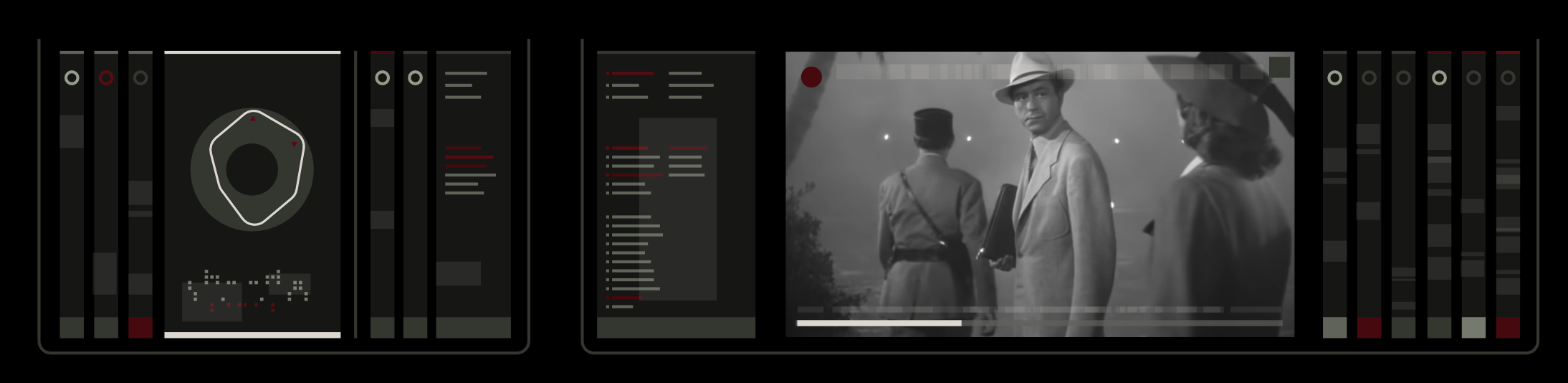
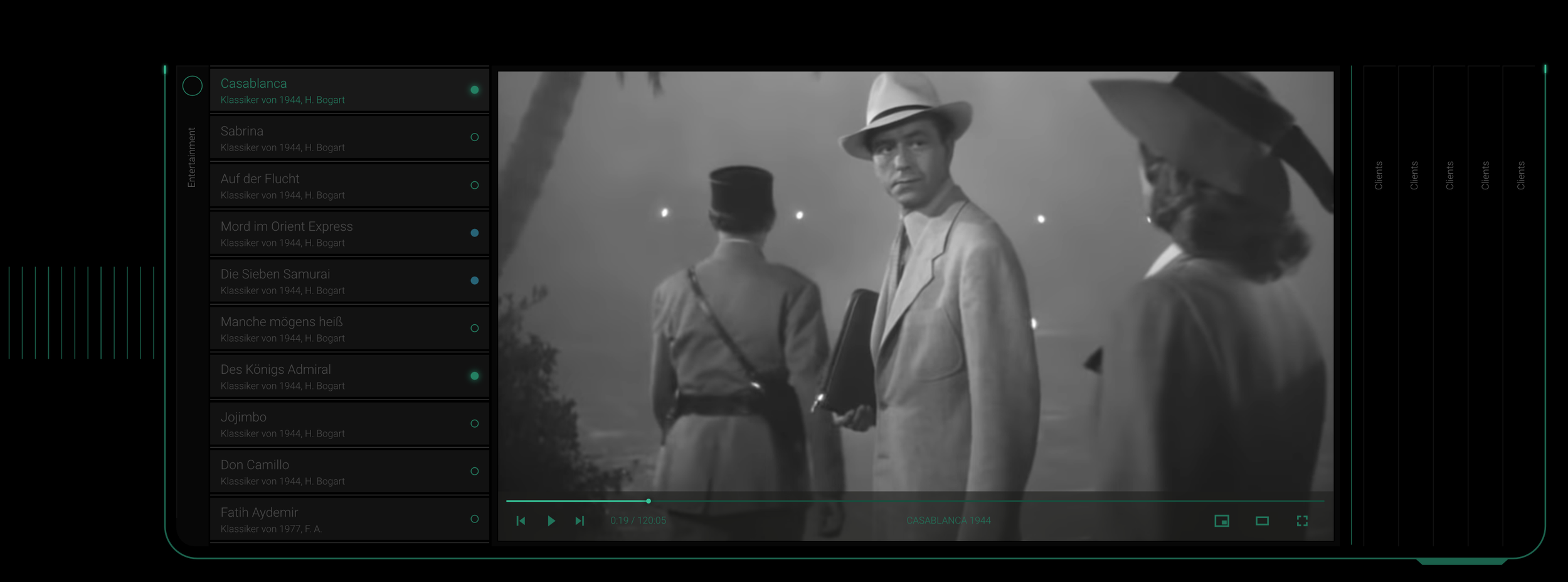
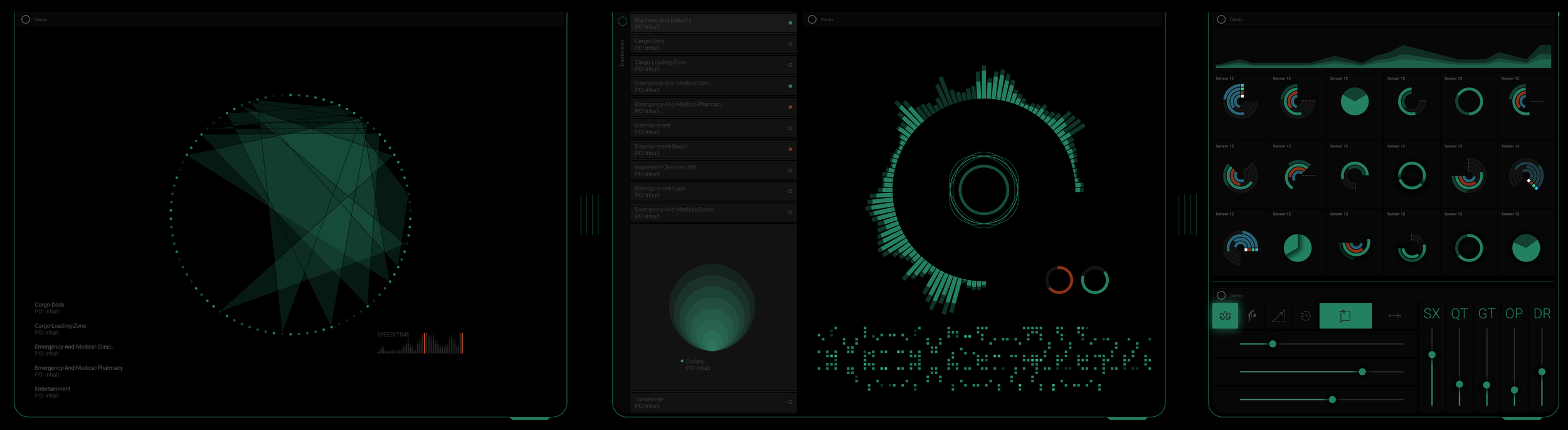
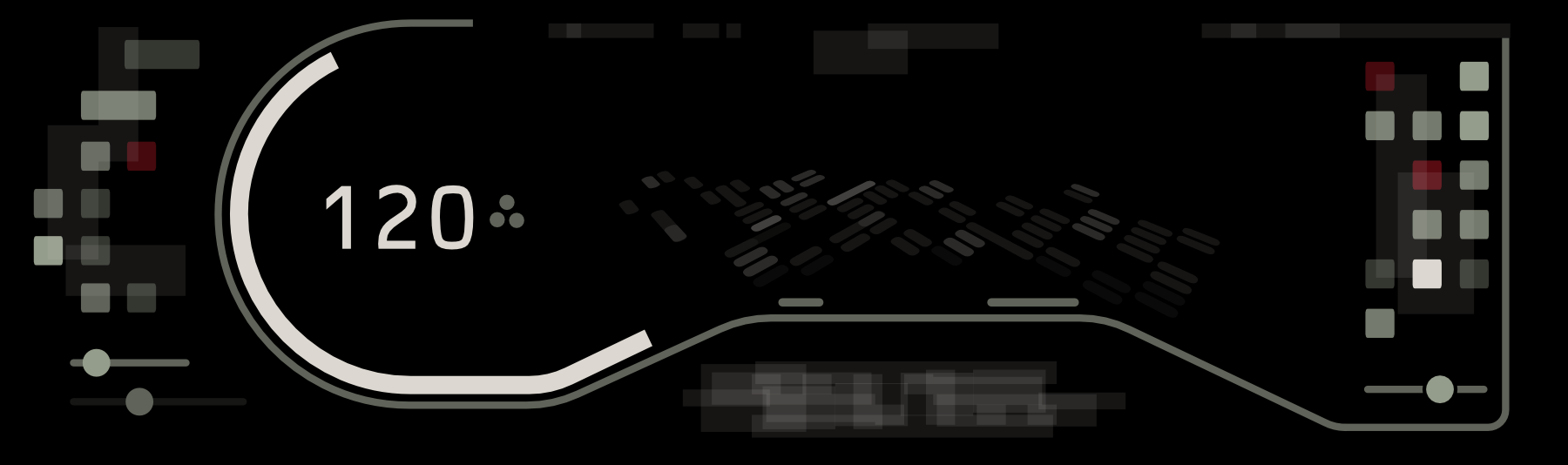
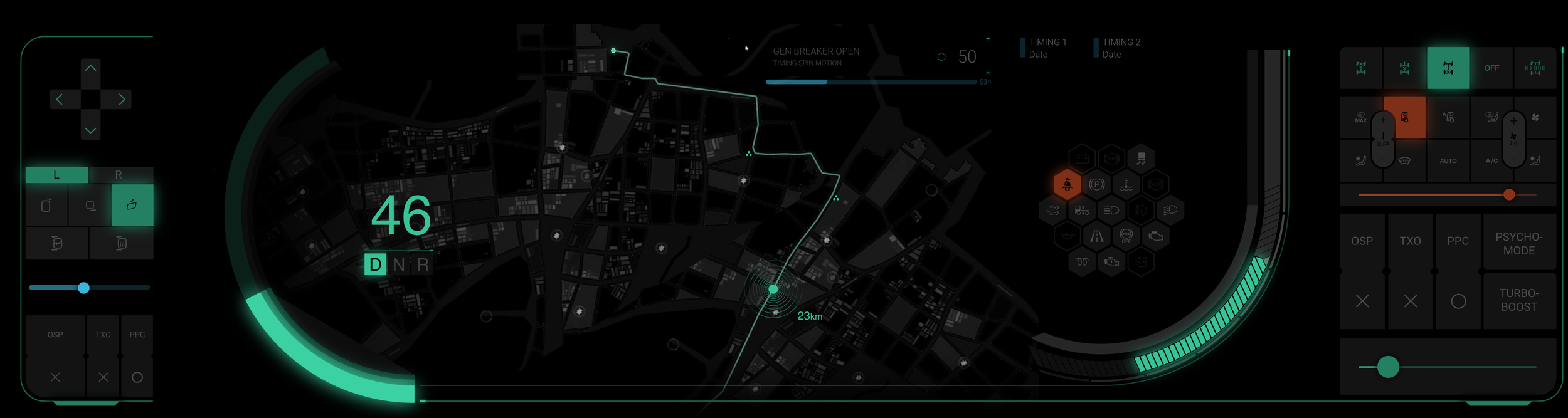
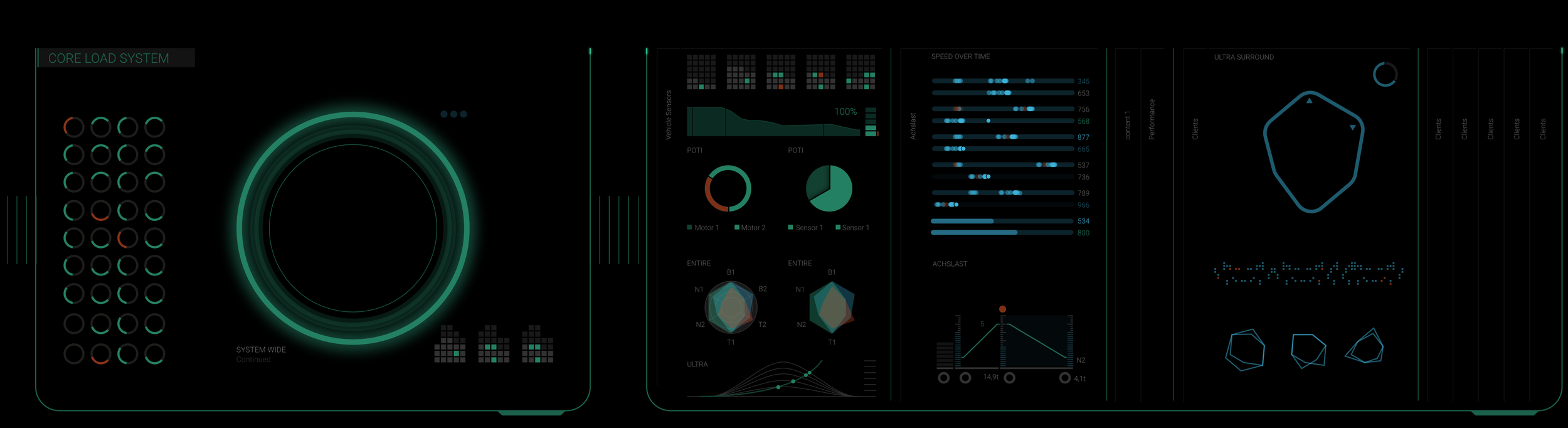
A series of screens exploring different display logics and interaction models—from high-density system views to modular status widgets and contextual overlays. The value lies in deriving principles (prioritisation, glanceability, pattern consistency), not in claiming a final product solution.
Image description
The visuals focus on system states, telemetry, alerts, and contextual presentation. Multiple layouts test information density, prioritisation, and modular widget structures as a foundation for future driver and fleet-facing HMI concepts.

Note: Non-public concept material; visuals are sanitised/abstracted.