
Academic background — how it all began
Product design, interaction design, and product planning & design
My academic journey began in Bogotá, Colombia. I didn’t just want to “study design”—I wanted to understand how things work: technically, aesthetically, and systemically. That curiosity has stayed with me to this day. It has taken me through three countries, multiple degree programmes, and countless projects—always with the aim of connecting technology, design, and education in a meaningful way.
Overview of academic degrees
Bachelor of Arts — Product Design
HfG Schwäbisch Gmünd (Germany), with study abroad experience at Universidad de Bogotá Jorge Tadeo Lozano (Colombia) and the University of Salford (England)
Bachelor of Arts — Interaction Design
HfG Schwäbisch Gmünd (Germany)
Master of Arts — Product Planning and Design
HfG Schwäbisch Gmünd (Germany) — specialisation: Strategic Product Development & Systems Design
Product Design
Bachelor of Arts
The Product Design degree combines technical understanding with creative design. Its goal is to develop functional and aesthetically refined products that are aligned with users’ needs. The programme covers areas such as materials science, ergonomics, engineering design, and sustainable design principles.
Course of study
I began my studies at Universidad de Bogotá Jorge Tadeo Lozano in Colombia, where I completed two semesters in the Industrial Design programme. That experience shaped my understanding of international perspectives and design approaches. I then transferred to HfG Schwäbisch Gmünd in Germany to continue and successfully complete my degree in Product Design.
During my studies, I also completed an Erasmus semester at the University of Salford in England. There, I broadened my academic and cultural horizon by engaging deeply with international approaches to design and product development.
Key focus areas of the programme
Developing innovative products and devices for everyday life and industry.
Sustainable and socially relevant design as a core aspect of product development.
Project-based learning that integrates real-world challenges.
Final project
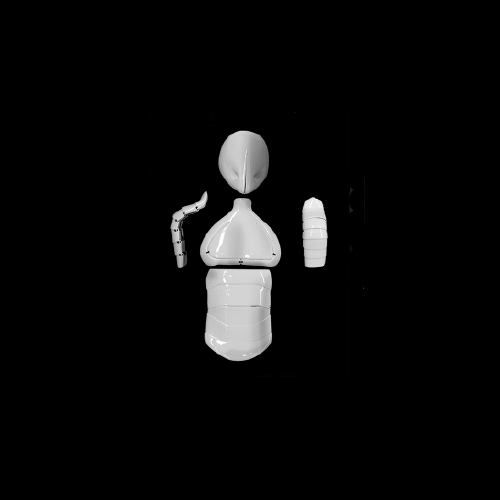
Product Design — Bachelor of Arts
Project: CombatSkin
CombatSkin is an innovative protective suit for realistic martial arts sparring. The aim of the project was to develop an intelligent, lightweight, and ergonomic armour system that not only provides protection, but also combines freedom of movement, body awareness, and visual design.
Interaction Design
Bachelor of Arts
Interaction Design focuses on the relationship between people and technology. The emphasis is on creating intuitive and aesthetically refined digital experiences, with particular attention to the user’s perspective.
Core areas
1 Interface Design: Designing user-friendly digital interfaces.
2 Application Design: Analysing and designing software solutions.
3 Interactive communication systems: Designing and implementing digital platforms for education and information management.
4 Invention Design: Researching and developing new technologies and products.
Final project
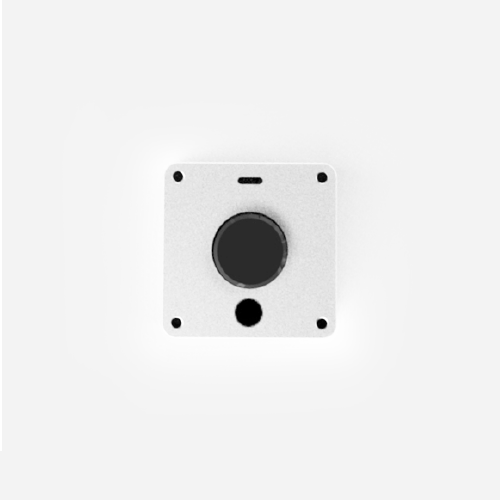
Interaction Design — Bachelor of Arts
Project: Cubit
This project focused on developing an interactive system that combines usability and technology. The goal was to create a platform that is both intuitive and functional, improving the communication between people and technology.
Product Planning and Design
Master of Arts
This Master’s programme was specifically designed to prepare product planners and designers for leadership roles in industry. Although the programme is no longer offered today, it remains an exceptional example of multidisciplinary education.
Key aspects of the programme
Integrating engineering, business, and design to develop innovative product strategies.
A strong focus on coordinating and optimising interdisciplinary processes.
Developing strategic decisions that take ecological, economic, and technical constraints into account.
Final project
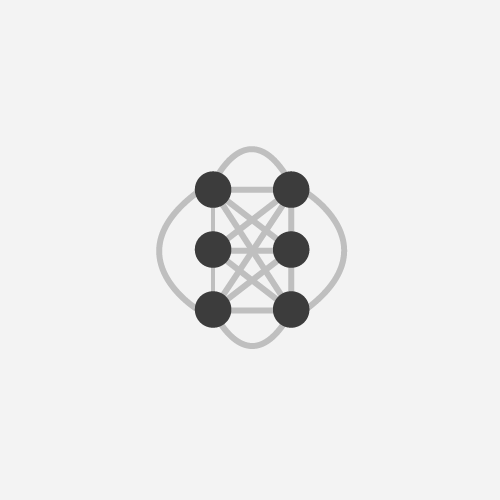
Product Planning and Design
Master of Arts
Project: Systems Theory and Design
This thesis connects systemic processes with design methods to develop innovative and sustainable solutions for complex challenges. It explores how design can be used as a strategic tool within systems-based approaches.
System Designer
What this role means to me
I call myself a systems designer because I design products and frameworks that work as a whole — technically, strategically, and with people in mind. I operate at the intersection of engineering, design, and learning, aiming to create systems that are clear, usable, and sustainable over time.
This mindset comes from my background in product design, interaction design, and strategic product planning — reinforced by years of work across industry, research, and international education.
What is a systems designer?
A systems designer thinks in relationships, not isolated parts. They identify patterns, define boundaries and interfaces, and turn complexity into structures that are adaptable, transparent, and human-centred.
My speciality
I bring this approach into education-focused contexts — schools, universities, and learning projects — creating hands-on systems that make technology tangible and support long-term learning.
At the HfG Schwäbisch Gmünd, I developed a strong base in product and interaction design with a focus on methodical concept work, prototyping, and human-centred design. The school’s interdisciplinary approach trained me to bridge design and engineering and to think in systems rather than isolated screens.
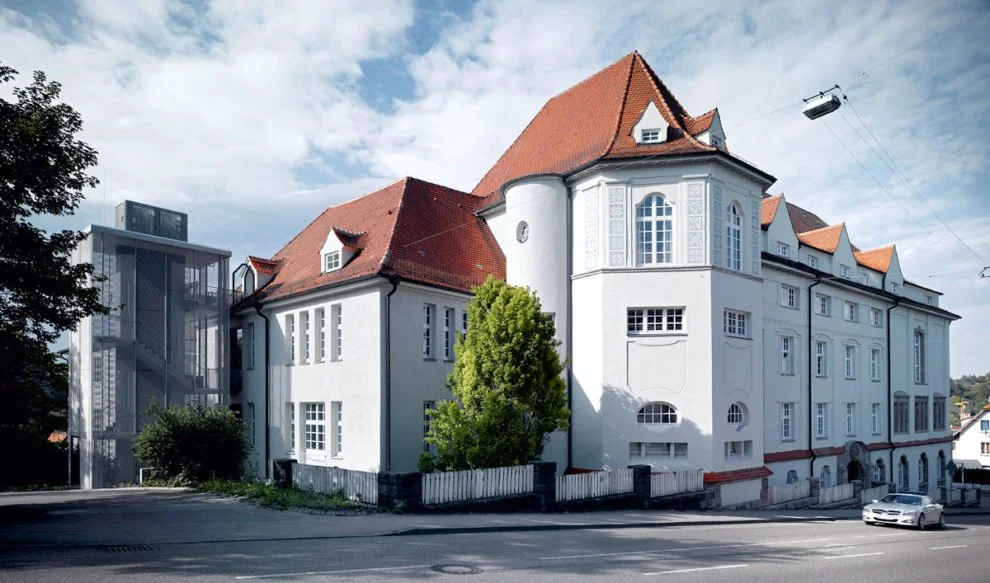
University of HfG Schwäbisch Gmünd
At Universidad Jorge Tadeo Lozano (Bogotá) I studied in an international environment that sharpened my thinking around context-driven design. It strengthened my skills in research, concept development, and communicating complex ideas across disciplines and cultures.
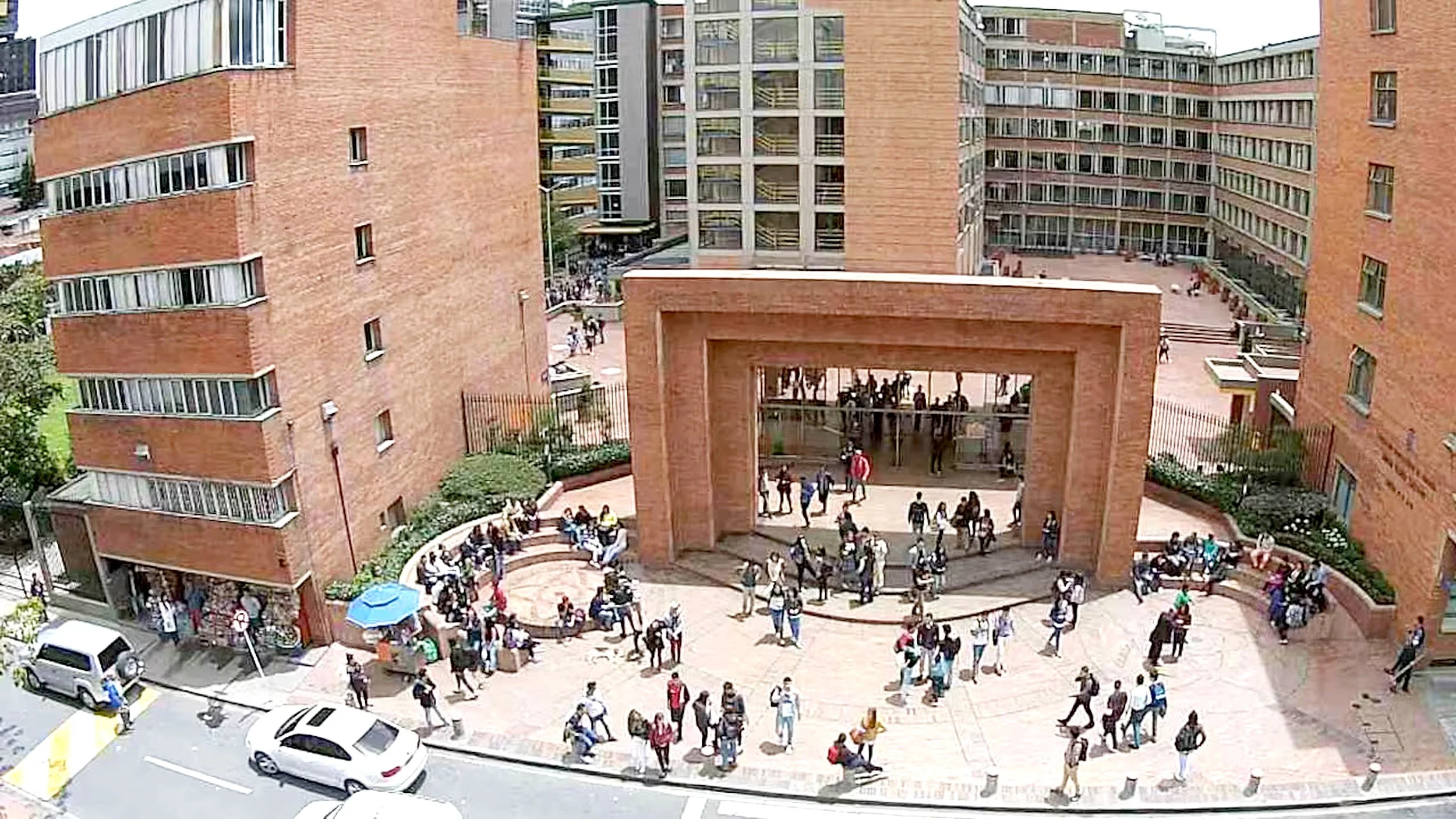
Universidad de Bogotá Jorge Tadeo Lozano